
How text classification powers smarter sentiment analysis
Introduction to Sentiment Analysis and Text Classification
Sentiment analysis and text classification are foundational techniques in natural language processing (NLP) that help systems understand and categorize human language. While sentiment analysis focuses on identifying the emotional tone (positive, negative, or neutral) in a piece of text, text classification more broadly involves assigning predefined labels to textual data. Combined, text classification and sentiment analysis power applications like review analysis, social media monitoring, and customer feedback insights.
💡 These methods are widely used in chatbots, recommendation engines, and content moderation tools.
How Sentiment and Text Classifiers Work in NLP Tasks
Text classifiers and sentiment models are essential for tasks involving Natural Language Inference (NLI) and Question-based NLI (QNLI). These techniques evaluate how well a hypothesis logically follows from a premise, especially useful in entailment detection.
Key Concepts
-
NLI: Determines whether a hypothesis logically follows from a given premise.
- Example: Premise: "The customer left a 5-star review."
Hypothesis: "The customer was satisfied."
→ Entailment - Example: Premise: "The customer gave negative feedback."
Hypothesis: "The customer was happy."
→ Contradiction
- Example: Premise: "The customer left a 5-star review."
-
QNLI: Focuses on matching questions with relevant answer contexts.
- Example: Question: "What did the reviewer say about the product's quality?"
Sentence: "The product broke after one week."
→ Matched context; relevant answer
- Example: Question: "What did the reviewer say about the product's quality?"
-
Entailment, contradiction, and neutral relationships are evaluated in both tasks:
- Entailment: The hypothesis must be true if the premise is true.
- Contradiction: The hypothesis directly contradicts the premise.
- Neutral: The hypothesis and premise are unrelated or unprovable based on each other.
💡 In NLI, identifying a contradiction helps in fact-checking and misinformation detection.
Preprocessing Text for Classification
Before feeding text to a model, preprocessing is essential. This includes cleaning, vectorization, and tokenization. Two common vectorizers are TF-IDF Vectorizer and CountVectorizer.
Step 1: Text Cleaning and Tokenization (Simple Example)
Let’s start with a raw user input:
"<p>I loved the product!!! It was AMAZING.</p> 😍 #BestPurchase"
Step-by-Step Cleaning:
import re

raw_text = "<p>I loved the product!!! It was AMAZING.</p> 😍 #BestPurchase"

# Step 1: Remove HTML tags
clean_text = re.sub('<.*?>', '', raw_text)
print(clean_text)
# Output: I loved the product!!! It was AMAZING. 😍 #BestPurchase

# Step 2: Remove special characters (punctuation, emojis, hashtags)
clean_text = re.sub('[^a-zA-Z0-9\\s]', '', clean_text)
print(clean_text)
# Output: I loved the product It was AMAZING BestPurchase

# Step 3: Lowercase and tokenize
tokens = clean_text.lower().split()
print(tokens)
# Output: ['i', 'loved', 'the', 'product', 'it', 'was', 'amazing', 'bestpurchase']
💡 This process removes noise and standardizes the input for machine learning.
Step 2: Vectorization
Once cleaned and tokenized, the text must be converted into a numerical format that a model can understand.
TF-IDF Vectorizer Example
from sklearn.feature_extraction.text import TfidfVectorizer

corpus = ["i loved the product", "it was amazing", "worst experience ever"]
vec = TfidfVectorizer()
X = vec.fit_transform(corpus)
print(X.toarray())
CountVectorizer Example
from sklearn.feature_extraction.text import CountVectorizer

vec = CountVectorizer()
X = vec.fit_transform(corpus)
print(X.toarray())
📌 Each row in the resulting matrix is a feature vector for one sentence; each column represents a word in the corpus.
Handling Data: From Dataset to Pipeline
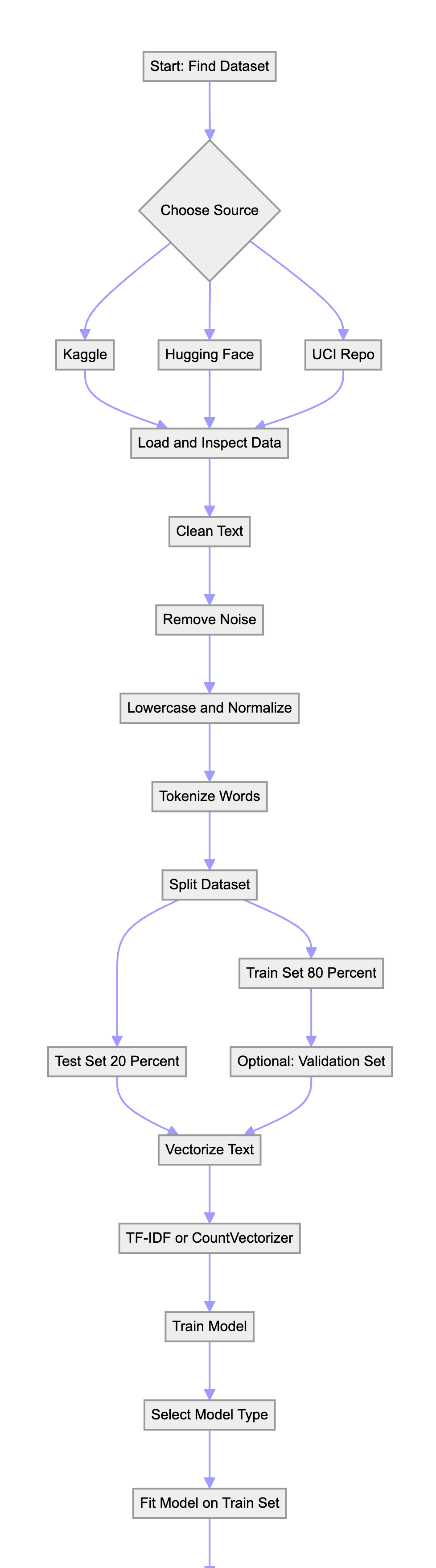
Text classification starts with preparing the dataset by splitting it into training set and test set. Here's a complete pipeline you can follow:
Step 1: Find and Download a Dataset
- Recommended sources:
- Kaggle – e.g., IMDb reviews, Amazon product reviews
- Hugging Face Datasets – preprocessed corpora for NLP
- UCI Machine Learning Repository
Step 2: Load and Inspect the Data
- Look at column names, label types, and class balance.
- Ensure the data includes text + label fields.
Step 3: Clean the Text
- Remove noise like HTML, emojis, hashtags, and stopwords.
- Tokenize, lowercase, and normalize text.
Step 4: Split the Dataset
- Use an 80/20 or 70/30 ratio to create a training set and test set.
- Optional: Create a validation set from training data (e.g., 10%).
from sklearn.model_selection import train_test_split
X_train, X_test, y_train, y_test = train_test_split(texts, labels, test_size=0.2, random_state=42)
Transform the Text into Vectors
- Use CountVectorizer or TF-IDF Vectorizer to convert tokens into numerical features.
Step 6: Model Building and Evaluation
- Choose a model (e.g., Logistic Regression, LSTM).
- Fit the model to training data, evaluate with test data.
- Measure accuracy, precision, recall, and F1 score.
⚠️ Data leakage can occur if test data influences the training process.
Core Linguistic and Emotional Signals Used in Classification
Models learn to identify not just grammatical structures but also emotions and opinions embedded in text.
Emotional Cues
- Happiness: “excited”, “love”, “wonderful”
- Sadness: “disappointed”, “upset”
- Anger: “hate”, “annoyed”
- Fear: “scared”, “worried”
Grammatical Features
- Sentence complexity, length, punctuation
- Proper grammar improves model interpretability
💡 Emotion detection refines the sentiment score beyond just polarity.
Feature Engineering and Embedding Techniques
Transforming text into numerical representations is where embedding techniques shine. Traditional vectorizers like CountVectorizer assign one-hot or frequency-based values to tokens, which often results in high-dimensional, sparse vectors. Embeddings solve this by encoding words into dense, lower-dimensional vectors that capture semantic similarity.
- Feature Engineering: Manually created inputs such as sentiment polarity (positive or negative score), punctuation count, or use of specific keywords. For example, a sentence like "I love it!!!" might score high on both exclamation count and sentiment polarity.
- Embeddings: Instead of just counting words, techniques like Word2Vec, GloVe, or BERT learn contextual relationships between words. For instance, "happy" and "joyful" would have similar vector representations even if they never appear in the same sentence.
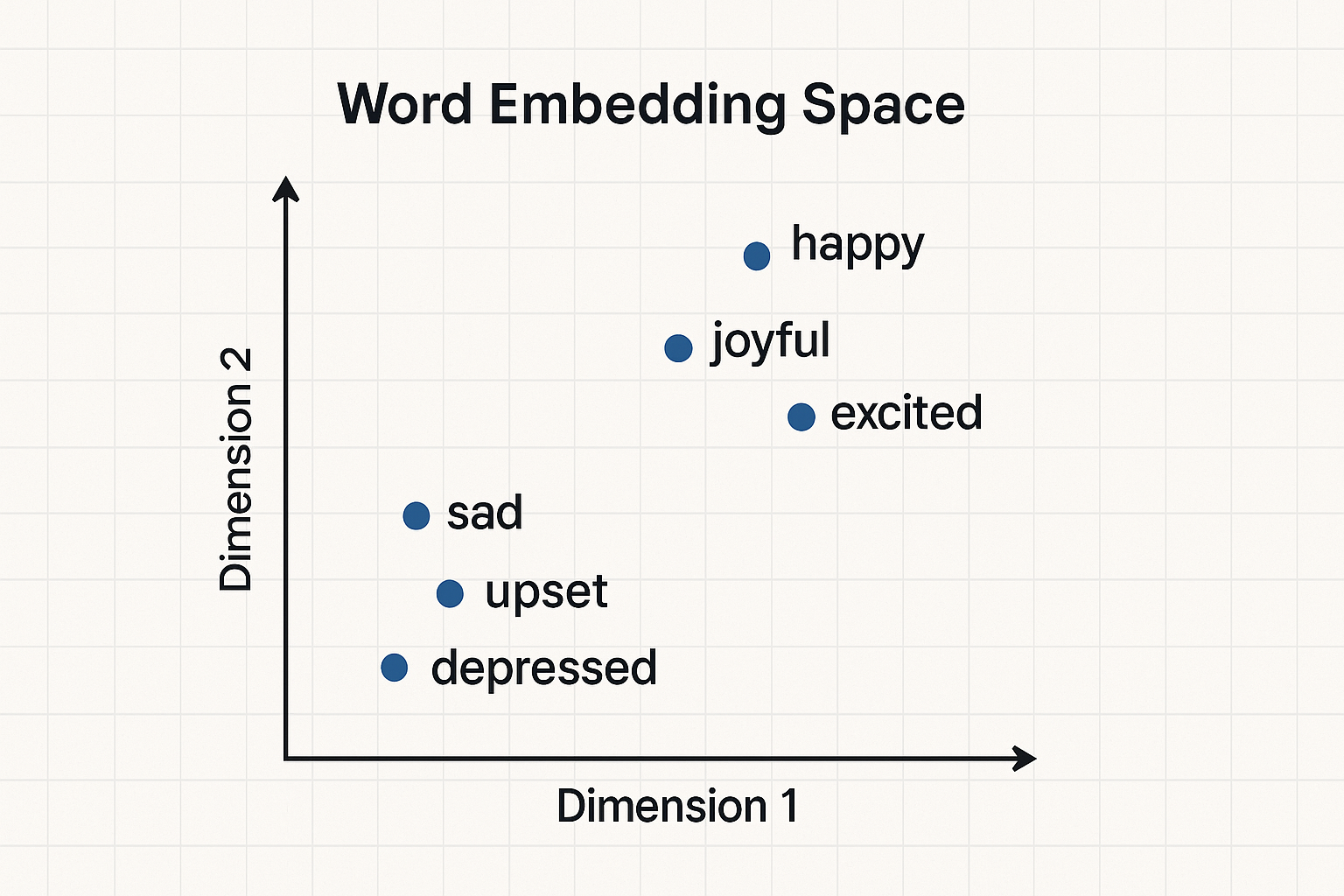
- Feature Vector Size: A key factor in model performance. Smaller vectors (e.g., 100 dimensions) are faster to compute but might lose nuance. Larger vectors (e.g., 768 dimensions from BERT) capture richer context but require more computational power.
Embeddings improve both generalization and efficiency, especially in downstream tasks like sentiment detection, topic modeling, and semantic similarity. Reducing dimensionality avoids overfitting while preserving semantics.
Understanding Classification Layers and Activations
Neural models consist of multiple layers that transform input data through learned weights and activation functions. Each layer captures different levels of abstraction:
- Input Layer: Accepts the raw or preprocessed input data.
- Hidden Layers: Transform data into representations that make patterns more learnable.
- Output Layer: Produces the final prediction, such as class probabilities.
Common Activation Functions
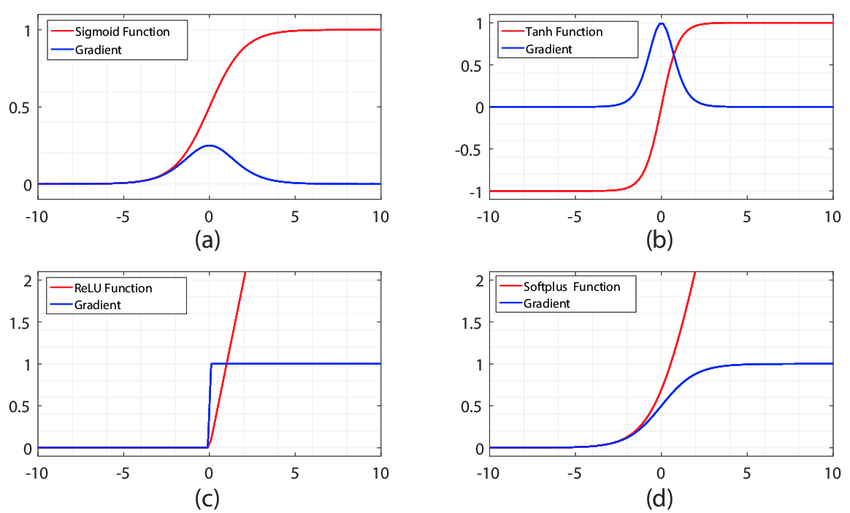
- ReLU: Most common for hidden layers. It outputs zero for negative values and passes positive values unchanged. Helps avoid the vanishing gradient problem.
- Sigmoid: Used for binary classification; compresses output between 0 and 1.
- Softmax Layer: Used for multi-class classification; transforms raw scores into probability distributions.
Activation functions introduce non-linearity, which allows neural networks to learn complex patterns instead of just linear relationships.
You Could Learn More:
- TensorFlow: Neural Network Layers Overview
- DeepLearning.ai: Activation Functions Explained
- CS231n (Stanford): Neural Network Architecture Notes
Deep Learning Components in Sentiment Models
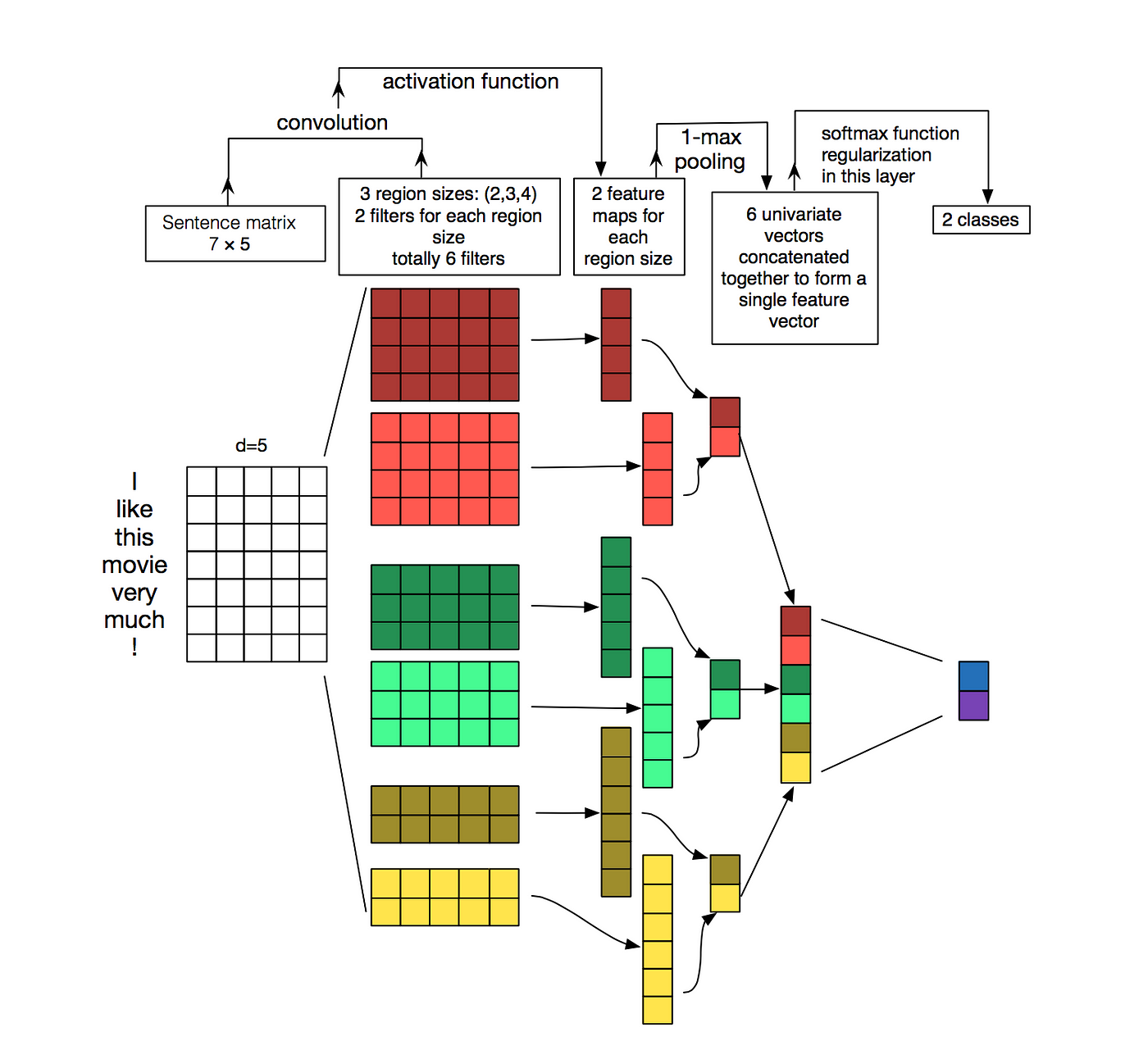
Deep learning adds powerful abstraction layers to text classification.
Key Components
- Convolution Layer: Detects local n-gram patterns
- MaxPool1D: Downsamples important features
- LSTM: Retains long-range context
- Input Gate / Output Gate: Controls memory flow in LSTM
📌 CNNs are effective for short texts; LSTMs excel in long, structured documents.
Model Training, Optimization, and Tuning Techniques
Optimizing a model involves selecting the right optimizer, loss function, and hyperparameters.
from tensorflow.keras.models import Sequential
from tensorflow.keras.layers import Dense
from tensorflow.keras.optimizers import Adam

model = Sequential()
model.add(Dense(64, input_dim=1000, activation='relu'))
model.add(Dense(1, activation='sigmoid'))
model.compile(optimizer=Adam(), loss='binary_crossentropy', metrics=['accuracy'])
⚙️ Use
Adam emb_dimwith tuned arguments for faster convergence.
Accuracy, Predictions, and Confidence in Classifiers
To evaluate classifiers:
-
Score: This refers to the probability assigned by the model to a given class. For example, a model may say there's a 92% chance a review is positive. The higher the score, the more confident the model is in its prediction.
-
Confidence Score: This is often a threshold applied to the raw score to produce a binary output. For instance, if the threshold is 0.5, a score above that results in a "positive" classification; below that, "negative."
-
Predictions: These are the final labels output by the model, typically 0 (negative) or 1 (positive) in sentiment analysis.
Examples
-
Sentence: "I absolutely loved this product."
- Score: 0.94
- Confidence Score (if threshold is 0.5): Classified as Positive
- Prediction: 1
-
Sentence: "It was okay, not great."
- Score: 0.55
- Prediction: 1 (but with low confidence — this could be flagged for human review)
How to Improve Accuracy and Confidence:
- Use better feature engineering or contextual embeddings (e.g., BERT instead of Bag-of-Words).
- Tune hyperparameters and use more representative training data.
- Apply cross-validation and regularization to reduce overfitting.
- Use ensemble models to combine predictions from multiple classifiers.
Precision, Recall, F1-score complement raw accuracy by revealing how well the model performs across different error types.
Tools and Platforms for Running Sentiment Classifiers
Popular frameworks include:
| Platform | Description |
|---|---|
| ONNX | Cross-platform model interoperability |
| PHP | Lightweight runtime for simple tasks |
| Xenova | Efficient deployment infrastructure |
| TransformersPHP | PHP integration with HuggingFace models |
💡 Choose your text analysis engine based on deployment needs.
APIs and Platforms That Enable Sentiment Workflows
These NLP API platforms streamline implementation and vary in capabilities, speed, and pricing.
| API Platform | Rate Limits | Response Latency | Pros | Cons | Pricing Model |
|---|---|---|---|---|---|
| Watson Text Analysis | 30,000 items/month (Lite) | ~600–900 ms | Strong enterprise features, multilingual support, detailed emotion & tone breakdown | Complex pricing tiers, slower for large batch requests | Free tier available, then pay-per-usage |
| Google NLP API | 5,000 units/min (default) | ~200–300 ms | Fast, scalable, easy to integrate with Google Cloud stack | Limited entity types in free tier, no offline model | Free tier + per 1,000 units pricing |
| AI Text | 1,000 requests/day (free) | ~100–200 ms | Lightweight, developer-friendly, fast for startups | Limited documentation, fewer pre-trained tasks | Free for basic; affordable monthly tiers |
⚠️ Consider rate limits, latency, and integration ecosystem when choosing an NLP API. Google excels at speed and ecosystem; IBM is richer in tone analytics; AI Text is ideal for rapid prototyping on a budget.
Applied Use Cases in Product and Scenario-Based Classification
Here are some real-world scenarios benefit from sentiment models that you could learn from:
- Netflix uses sentiment analysis in Movie Recommendations, analyzing viewer reviews and ratings to personalize content suggestions. (See: "The Netflix Recommender System" from ACM Recsys 2022)
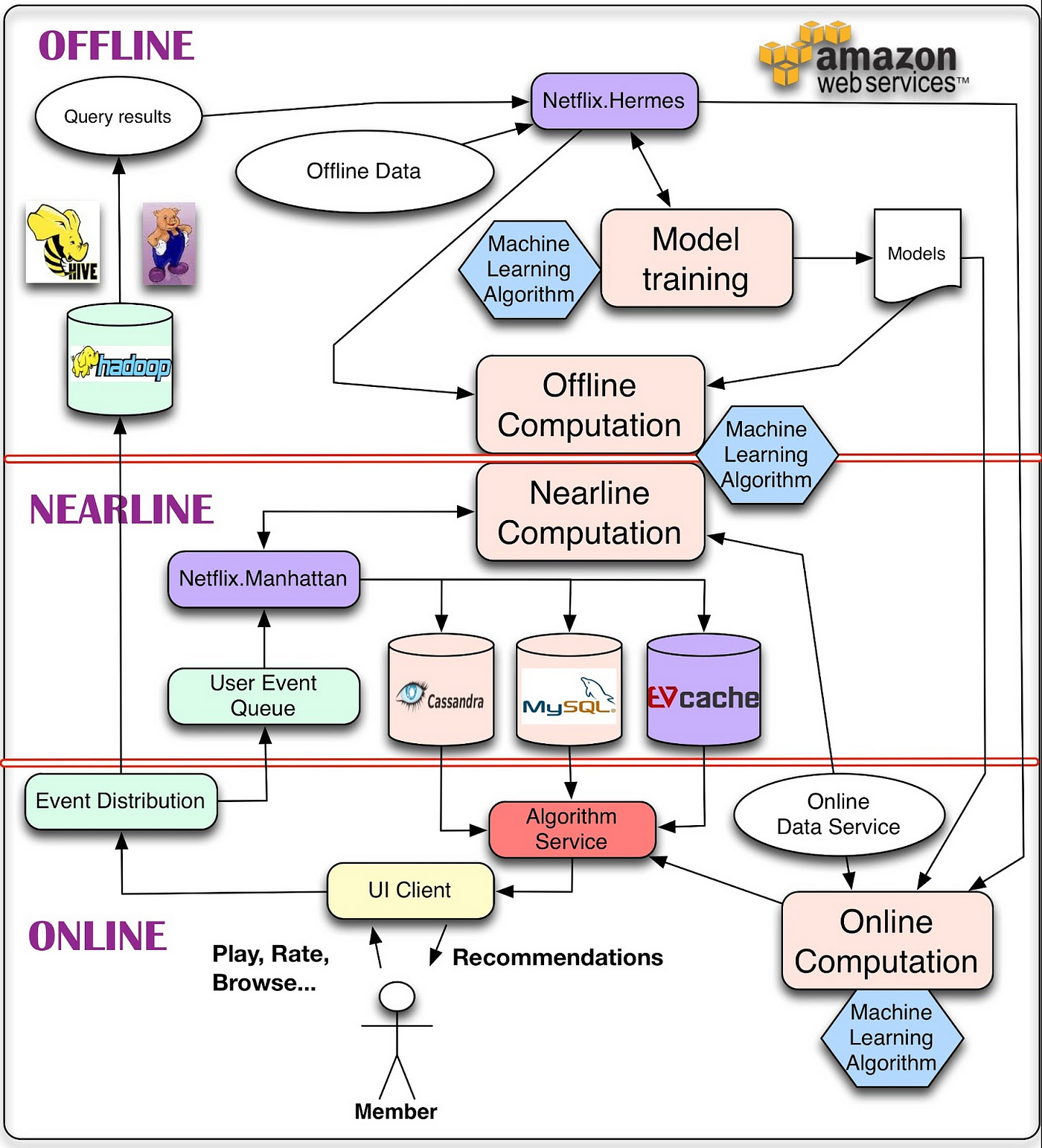
- Amazon leverages sentiment classification in Customer Reviews to highlight frequently praised or criticized product features.
- Slack has explored sentiment detection for internal Meeting Scheduling and support ticket prioritization based on user tone. (Reference: Slack Engineering Blog - Machine Learning Use Cases)
- Twitter/X applies sentiment scoring across tweets for trending topic analysis and brand monitoring.
- Apple uses sentiment data from App Store reviews to improve app visibility and recommendation algorithms.
🧪 These use cases not only enhance UX but also power A/B testing, customer segmentation, and proactive service improvements.
Sentiment Classification in Survey and Feedback Systems
Survey tools like Qualaroo integrate sentiment classification to enhance feedback processing. 
- NPS Surveys can be sentiment-scored to enhance interpretation of open-ended feedback. The Net Promoter Score (NPS) is a metric that categorizes customers as Promoters (score 9–10), Passives (score 7–8), or Detractors (score 0–6) based on the question: "How likely are you to recommend our product or service to a friend or colleague?"
For example:
- A response of 9: Promoter
- A response of 6: Detractor
By applying sentiment analysis to the open-text responses provided with these ratings, businesses can:
- Understand emotional context behind the score
- Identify specific product issues or highlights
- Segment customers by sentiment and intention
💡 A customer scoring 6 but using positive words in their comment may indicate an at-risk Promoter who needs attention.
This combination of structured score and unstructured sentiment creates a more complete view of customer loyalty.
- Improve survey campaigns by detecting tone
- Create real-time feedback loops for improvement
Sector-Specific Applications and Industry Adoption
Sentiment classification is widely adopted in:
- Hospitality Industry: Understanding guest reviews
- Social Media Monitoring: Brand sentiment
- Legacy Systems: Augmenting older CRMs with sentiment tagging
💡 Adoption is rising as models become lighter and more explainable.
Mining and Clustering Text for Broader Understanding
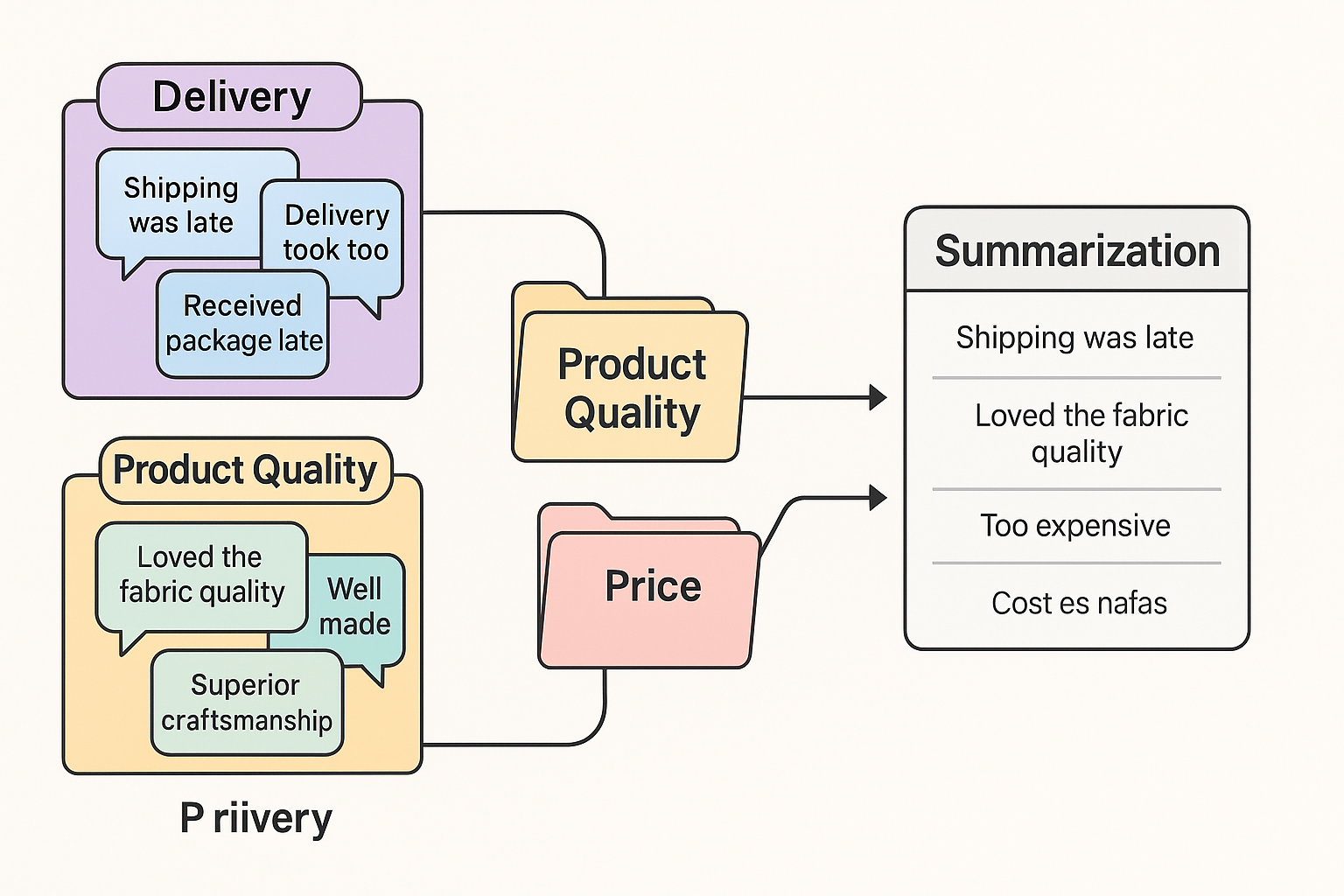 Text mining techniques go beyond classification:
- Document Clustering: Think of this like sorting emails or customer reviews into buckets based on topic or tone. For example, a clothing brand might see that returns-related comments tend to cluster around sizing issues, while others focus on delivery speed.
- Summarization: This technique helps reduce long responses or articles into a few key sentences. Imagine getting hundreds of long customer survey responses and instantly seeing the common themes — that's the power of summarization.
- Clustering for Segmentation: By grouping similar responses or customer profiles, businesses can tailor experiences. For instance, one cluster may include customers who care most about price, while another focuses on design or quality.
These tools give teams a faster way to digest and act on feedback without reading every word manually. Combine with classification for 360° insights.
Parsing and Understanding Syntax in Text Models
Syntactic structure supports better text comprehension by analyzing the grammatical structure and function of each word in a sentence.
- Parts of speech: noun, verb, adjective — identifying these roles helps the model understand what entities are involved and what actions are being performed.
- Sentence Structure: Detects passive voice, negations, and complex dependencies.
Example:
Consider the sentence from John F. Kennedy’s inaugural speech:
"Ask not what your country can do for you, ask what you can do for your country."
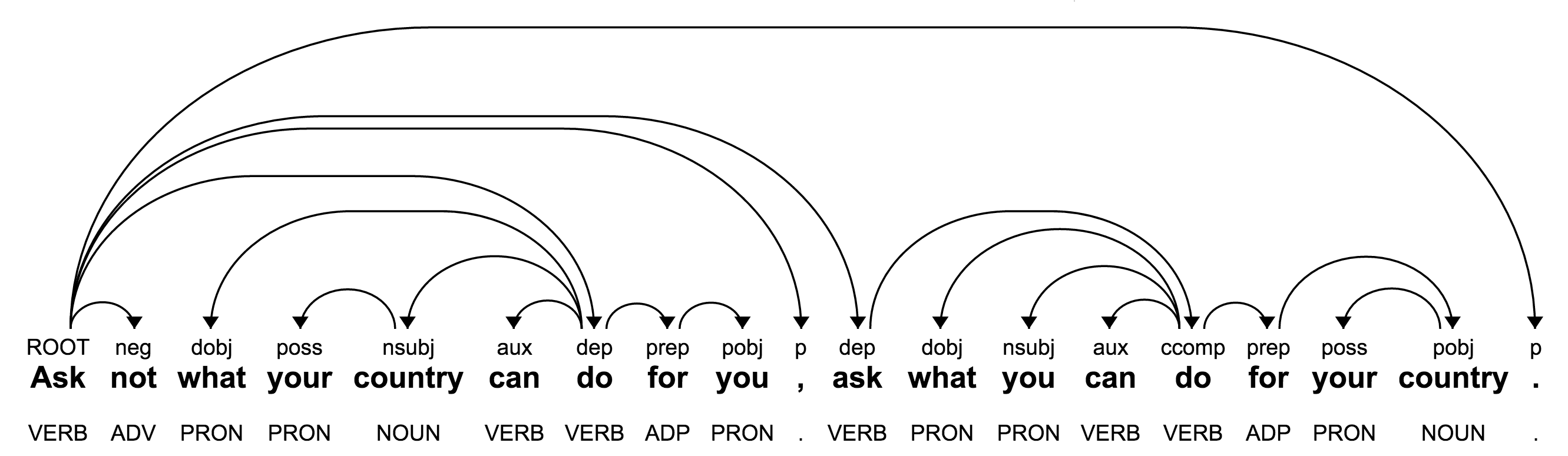
Syntax parsing reveals that this is a complex, coordinated structure. It detects:
- Imperative mood: The verb “ask” is a command.
- Negation: The phrase “ask not” reverses the typical expectation.
- Subject-object relationships: “what your country can do for you” vs. “what you can do for your country” — the parser identifies the shift in grammatical roles (subject ↔ object), which gives the sentence rhetorical power.
💡 Syntax parsing helps models detect tone shifts, rhetorical contrasts, and focus areas, improving explainability especially in sentiment scoring and political speech analysis.
Making Strategic Decisions from Sentiment Data
Sentiment data transforms into actionable customer insights:
- Group users by opinion clusters
- Analyze content similarity for product feedback
- Inform CX decisions based on emotional trends
Wrapping Up: Infrastructure and Challenges Behind Large-Scale Classification
Scaling sentiment analysis and text classification from prototypes to production-ready systems sounds exciting—but it's not always smooth sailing. Let’s break down some of the key challenges that teams often face:
-
Data Integrity: Not all datasets are clean, and mislabeled data can send your model down the wrong path. A sarcastic tweet labeled as positive? That’s a classic example of training noise.
-
System Limitations: Training advanced models like transformers requires serious computing power. Many small teams find themselves bottlenecked by memory, GPU constraints, or API throttling.
-
Data Processing Volume: It's one thing to classify a few hundred reviews. It's another to process millions daily from social media, surveys, and support channels. Optimizing batch processing and parallel pipelines becomes a must.
-
Legacy Systems: Even the best models can fall flat if they can't plug into old infrastructure. Many businesses still use outdated CRMs, making real-time feedback loops hard to deploy.
Despite these hurdles, the payoff is worth it. When done right, sentiment models offer unmatched insight into customer opinion, public mood, and linguistic nuance. From classifying emotions in product reviews to identifying trends in political discourse, the applications are vast and growing.
In the end, sentiment analysis and text classification are about more than data—they’re about understanding people. And that’s what makes them so powerful in modern AI workflows.
People Also Ask
More on Entity Analysis
Proven Google NLP Strategies That Boosted SEO Rankings
Look, if you're still thinking about SEO the way we did five years ago, you're already behind. Google isn't just matching keywords anymore – they're actually understanding what people mean when they…
Text Sentiment Analysis with Python: A Comprehensive Guide
In today's data-driven world, understanding public opinion has become crucial for businesses, researchers, and organizations. Text sentiment analysis with Python offers powerful capabilities to…
Google NLP and Search Ranking: The Complete Guide to Entities, Syntax, Salience, and Moderation
Are you still clinging to the old-school, open-book SEO playbook—think Google’s classic guidelines—hoping your content will climb the ranks just by nailing metadata, stuffing keywords, and hitting a…
Top Sentiment Analysis Tools to Compare in 2025
A text sentiment analyzer is a tool designed to interpret and classify the emotional tone behind a body of text. Whether it's a product review, a customer email, or a tweet, sentiment analysis tools…
Text Sentiment Analysis Guide: Meaning, Methods & Use Cases
Text sentiment analysis is a natural language processing (NLP) technique used to determine the emotional tone behind a body of text. By analyzing text data, sentiment analysis tools help identify…